 |
|
|
|
Certificat
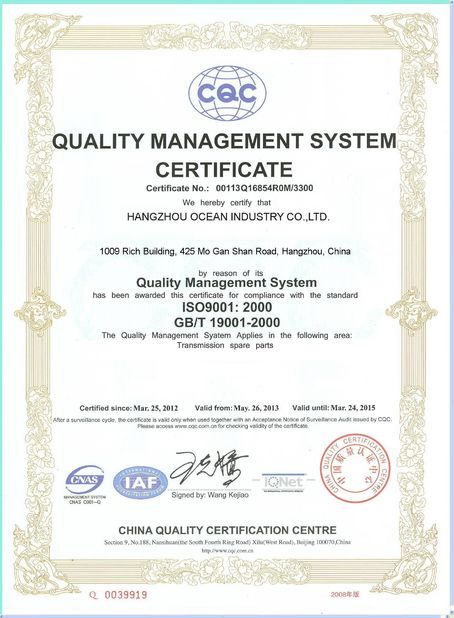
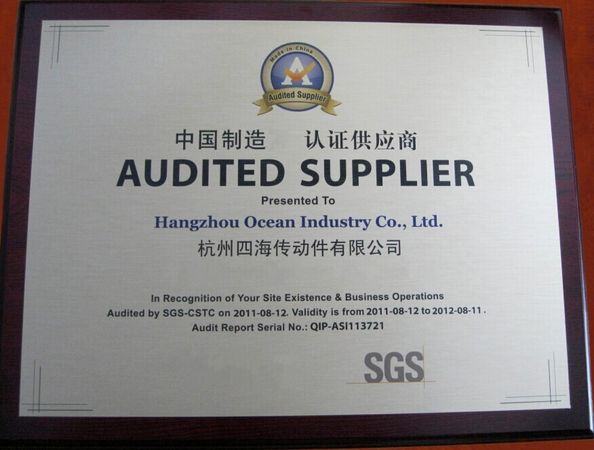
- Je suis en ligne une discussion en ligne
Société Nouvelles
Differences between 201, 304 and 316 Austenitic Stainless Steel
1. Basic Overview
201, 304 and 316 all belong to austenitic stainless steel, widely used for mechanical parts, equipment housings, food machinery, pipeline systems, architectural decoration and transmission components. The core performance gap originates from differences in chemical composition, especially nickel, chromium and molybdenum content, which directly determine corrosion resistance, cost and applicable environments.
2. Differences in Chemical Composition
201 Stainless Steel
- Low nickel, high manganese design; nickel content around 3.5%–5.5%, chromium ≈16%
- No molybdenum element
- Cost advantage by replacing nickel with manganese and nitrogen
304 Stainless Steel (18-8 stainless steel, 06Cr19Ni10)
- Standard formula: ~18% chromium + ~8% nickel
- No molybdenum
- The most universal general-purpose stainless steel grade
316 Stainless Steel (06Cr17Ni12Mo2)
- ~17% chromium, ~12% nickel, plus 2% molybdenum (Mo)
- Molybdenum greatly enhances resistance to chloride ion corrosion
3. Corrosion Resistance Ranking: 201 < 304 < 316
201 stainless steel
Weak anti-corrosion performance. Prone to rust under humid air, coastal salt fog, or contact with salt water.
Suitable only for dry indoor decorative occasions with no corrosive medium. Not recommended for outdoor, water contact or industrial equipment.
304 stainless steel
Excellent resistance to atmospheric corrosion, fresh water and neutral chemicals.
Can be used indoors, ordinary outdoor environments, tap water equipment, general food processing.
Limitation: Poor tolerance to high-concentration chloride; will suffer pitting corrosion in long-term coastal salt spray or seawater environment.
316 stainless steel
Molybdenum element effectively inhibits chloride-induced pitting and crevice corrosion.
Top choice for coastal projects, seawater equipment, chemical liquids, food & beverage factories, pharmaceutical machinery and marine facilities.
4. Mechanical & Processing Properties
All three grades are non-magnetic after solution treatment, good for bending, stamping, welding.
- 201: Higher hardness, slightly poorer ductility; easier work hardening during machining
- 304: Balanced plasticity and toughness, easiest for forming and welding; mainstream choice for metal fabrication
- 316: Similar machinability to 304; slightly higher material cost and strength at high temperature; superior high-temperature oxidation resistance
5. Price & Economic Comparison
Cost sequence: 201 < 304 < 316
- 201: Lowest cost, purely cost-driven decorative material
- 304: Optimal balance of performance and cost, occupies more than 70% civilian and general industrial stainless steel market
- 316: Premium grade, higher raw material cost, only selected when anti-chloride corrosion is required
6. Typical Application Scenarios
201 Stainless Steel
Indoor decoration, metal frames, low-grade hardware, dry-area decorative sheets.
❌ Not suitable: outdoor equipment, water tanks, food machinery, coastal projects.
304 Stainless Steel
Food equipment, kitchen utensils, ordinary water pipelines, indoor mechanical housings, general machinery accessories, outdoor equipment away from sea wind, architectural railings in inland cities.
316 Stainless Steel
Marine equipment, coastal engineering, seawater pipelines, chemical processing equipment, pharmaceutical equipment, brewing & dairy machinery, swimming pool facilities, high-end industrial transmission parts exposed to corrosive liquids.
7. Common Industry Misunderstandings
- "Stainless steel never rusts": None of these grades are rust-proof forever. Stainless steel only resists oxidation; rust will occur if the passive film is destroyed under harsh corrosive media.
- "Magnet test can distinguish grades": Not reliable. Cold-worked 304/316 may generate weak magnetism, while qualified 201 can be non-magnetic. Material spectrum inspection is the only accurate identification method.
-
Temps de bar : 2026-08-12 08:45:06 >> Liste de nouvelles
Coordonnées
Hangzhou Ocean Industry Co.,Ltd
Personne à contacter: Mrs. Lily Mao
Téléphone: 008613588811830
Télécopieur: 86-571-88844378