 |
|
|
|
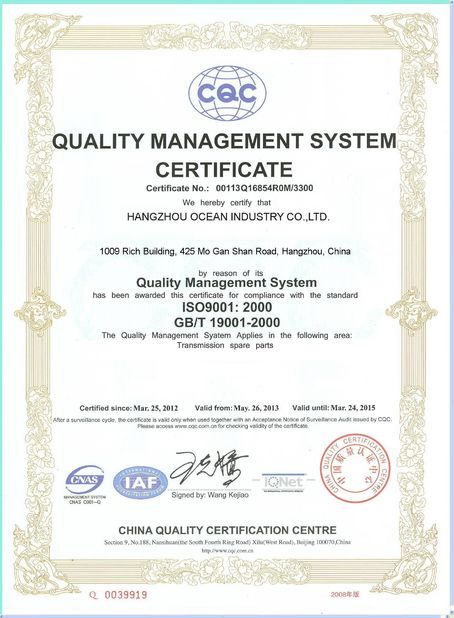
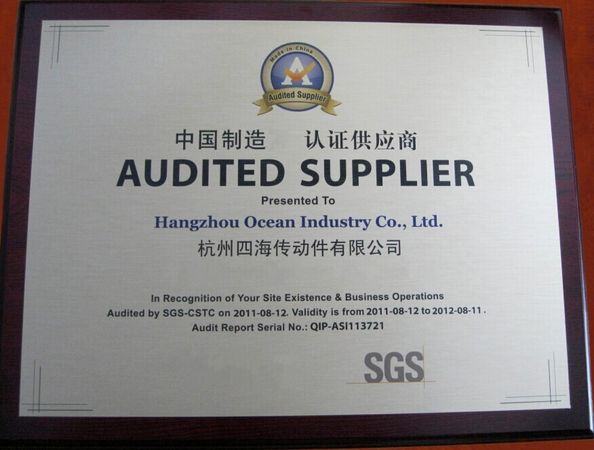
Certificat
- Je suis en ligne une discussion en ligne
Société Nouvelles
Solid Solution Treatment Failures in Stainless Steel: How 90% of Heat Shops Perform Invalid Heat Treatment
In the heat treatment industry for stainless steel pipe fittings, pressure vessels, and chemical equipment, solution treatment is the core process to improve the corrosion resistance and eliminate welding defects of austenitic stainless steel. However, there is a fatal misunderstanding prevalent across the industry:most workshops only complete the solution treatment process flow, but never execute the process correctly.
A large number of 304 and 316L stainless steel workpieces fully go through the complete procedures including heating, furnace discharging, water cooling, and pickling with complete and compliant inspection reports. Nevertheless, after several months of operation, failures such as weld rusting, pitting perforation, and intergranular corrosion frequently occur. Fundamentally, solution treatment has become a costly "formalistic operation".
Based on practical frontline failure cases, this article analyzes four critical and common pitfalls in solution treatment, supplemented by industry specification standards and practical self-inspection checklists, helping enterprises completely avoid invalid heat treatment risks.
1. Core Principle: Solution Treatment Is Far More Than Reaching the Required Temperature
The core logic of austenitic stainless steel solution treatment is clear: heat the workpiece to1050-1100°C (slight adjustments for different grades) to re-dissolve chromium carbides precipitated during welding and processing into the austenite matrix. Then conduct rapid cooling to lock carbon elements stably inside the solid solution and prevent carbide precipitation at grain boundaries.
The ultimate goal of this process is to avoid intergranular chromium depletion and maintain the corrosion resistance of stainless steel. All failure problems stem from four non-compliant conditions: inaccurate heating, insufficient cooling rate, inadequate post-treatment, and non-standard local processing. A complete process flow does not equal qualified performance.
2. Four Common On-Site Treatment Failures (Critical Workshop Pain Points)
Failure 1: Furnace Discharging Once Temperature Reaches Standard — Overtime Transfer Causes Sensitization
This is the most common and easily overlooked problem. Many heat treatment factories are equipped with qualified furnaces that can stably reach 1050°C, meeting the standard process temperature, yet the workpiece scrap rate remains high.
The core problem lies not in furnace temperature, but inexcessively long transfer time from furnace discharging to water quenching.
Industry critical parameter standard: For austenitic stainless steel, the transfer time from furnace exit to water entry shall be controlled within 30 seconds, with stricter requirements for large-section and thick-walled workpieces. A delay of 10 to 20 seconds during transfer will cool the workpiece surface down to 450-850°C — the critical sensitization temperature range for stainless steel.
When workpieces stay in the sensitization range, chromium carbides (Cr₂₃C₆) precipitate along grain boundaries in advance, consuming chromium elements around the grain boundaries and causing intergranular chromium depletion. Even with standard subsequent pickling, the corrosion resistance of workpieces is permanently damaged, leading to inevitable rusting and corrosion at welds and heat-affected zones. In short, overtime transfer makes the entire solution treatment invalid.
Failure 2: Unqualified Water Tank Configuration — Slow Cooling Equals Invalid Annealing
The core of solution treatment is rapid cooling. Water cooling is the mainstream cooling method for austenitic stainless steel (air cooling is only applicable to thin-walled workpieces as a special case). The cooling effect depends not on the initial water temperature, but on water volume ratio and real-time water temperature during cooling.
Most small and medium-sized workshops adopt small-capacity water tanks (about 2 cubic meters). When hundreds of kilograms of workpieces are put into the tank at one time, the water temperature rises sharply from room temperature to over 60°C, resulting in a sharp drop in heat exchange efficiency and unqualified cooling rate.
Although GB/T 25151 only stipulates "rapid cooling" for solution treatment without specifying the minimum cooling rate, the internationally recognized ASME specification clarifies clear implementation standards: the cooling water temperature shall be kept below 40°C, and the water weight shall be 8-10 times the weight of workpieces.
Excessive water temperature and insufficient water volume prevent rapid cooling of workpieces, causing continuous carbide precipitation during cooling. In this case, the so-called solution treatment is essentially inefficient slow-cooling annealing, which cannot meet anti-corrosion requirements.
Failure 3: Skipping Pickling and Passivation — Workpieces Operate with Unremoved Chromium-Depleted Layers
Solution treatment in an air furnace will inevitably form a black or blue-black oxide layer on the workpiece surface. Many workshops mistakenly believe that qualified solution treatment can offset surface oxide defects and directly deliver workpieces after simple sandblasting, which is a critical process loophole.
Beneath the oxide layer is a surface chromium-depleted layer formed by high-temperature oxidation. High-temperature processing consumes a large amount of chromium on the workpiece surface, making the corrosion resistance of this layer far lower than that of the base material. Sandblasting only removes surface oxide scale but cannot repair the chromium-depleted layer or rebuild the anti-corrosion passive film.
In accordance with ASTM A380 industry standards: pickling for oxide removal and passivation for passive film reconstruction are two mandatory procedures after stainless steel solution treatment, both indispensable.
Practical case: The tube bundle of a chemical plant heat exchanger was put into service only after sandblasting without pickling and passivation after solution treatment. Within three months, large-area pitting perforation occurred at the tube plate welds. The analysis conclusion confirmed that the lack of passivation left the workpiece without anti-corrosion protection.
Failure 4: On-Site Local Solution Treatment — Permanent Rust Rings Left in Heat-Affected Zones
In field pipeline installation, overall furnace solution treatment is often impractical, so many construction teams adopt induction heating for weld local solution treatment. However, most local solution treatments have inherent process defects.
Induction heating features a high temperature at the center and gradual temperature drop on both sides. The weld center can reach the standard 1050°C, while the annular transition zone on both sides falls exactly within the 450-850°C sensitization range without rapid cooling measures.
This transition zone suffers severe heat-affected zone sensitization, becoming a high-risk area for subsequent rusting and corrosion, known as the "double rust ring on both sides of welds" in the industry.
Effective on-site emergency process: Local solution treatment shall cover the range of 3 times the pipe wall thickness on both sides of the weld, and wet cloth cooling rings shall be arranged on both sides of the heating zone to avoid workpiece retention in the sensitization temperature range. Nevertheless, overall furnace treatment is the only reliable solution for thick-walled pipes and key high-pressure chemical pipelines.
3. On-Site Three-Check Self-Inspection List to Avoid Invalid Solution Treatment
Before workpiece acceptance and signing, only three core checks are needed to quickly distinguish formalistic operation from standardized treatment, applicable to all stainless steel pipe fittings and pressure vessels:
1. Time Check: Is the transfer time from furnace discharging to water entry strictly timed and controlled within 30 seconds?
2. Cooling Check: Do the water tank volume and water weight ratio meet standards? Is the cooling water temperature kept below 40°C?
3. Post-Treatment Check: Are pickling and passivation independently and completely implemented, rather than omitted or perfunctorily completed?
4. Conclusion: Solution Treatment Emphasizes Accuracy, Not Completion
For 304 and 316L austenitic stainless steel, solution treatment is a precise four-in-one process integrating temperature control, time control, cooling control, and post-treatment control, which determines the corrosion resistance and service life of chemical pipelines, heat exchangers, and pipe fittings.
Reaching the set temperature does not mean qualified processing; completing the flow does not mean qualified quality; complete reports do not mean qualified performance. Ignoring details such as transfer time, cooling ratio, pickling passivation, and local process standards may save time and cost in the short term, but will eventually lead to rework, scrap, and huge customer compensation losses.
Professional heat treatment solves material defects precisely; formalistic solution treatment is nothing but self-deceptive process waste.
A large number of 304 and 316L stainless steel workpieces fully go through the complete procedures including heating, furnace discharging, water cooling, and pickling with complete and compliant inspection reports. Nevertheless, after several months of operation, failures such as weld rusting, pitting perforation, and intergranular corrosion frequently occur. Fundamentally, solution treatment has become a costly "formalistic operation".
Based on practical frontline failure cases, this article analyzes four critical and common pitfalls in solution treatment, supplemented by industry specification standards and practical self-inspection checklists, helping enterprises completely avoid invalid heat treatment risks.
1. Core Principle: Solution Treatment Is Far More Than Reaching the Required Temperature
The core logic of austenitic stainless steel solution treatment is clear: heat the workpiece to1050-1100°C (slight adjustments for different grades) to re-dissolve chromium carbides precipitated during welding and processing into the austenite matrix. Then conduct rapid cooling to lock carbon elements stably inside the solid solution and prevent carbide precipitation at grain boundaries.
The ultimate goal of this process is to avoid intergranular chromium depletion and maintain the corrosion resistance of stainless steel. All failure problems stem from four non-compliant conditions: inaccurate heating, insufficient cooling rate, inadequate post-treatment, and non-standard local processing. A complete process flow does not equal qualified performance.
2. Four Common On-Site Treatment Failures (Critical Workshop Pain Points)
Failure 1: Furnace Discharging Once Temperature Reaches Standard — Overtime Transfer Causes Sensitization
This is the most common and easily overlooked problem. Many heat treatment factories are equipped with qualified furnaces that can stably reach 1050°C, meeting the standard process temperature, yet the workpiece scrap rate remains high.
The core problem lies not in furnace temperature, but inexcessively long transfer time from furnace discharging to water quenching.
Industry critical parameter standard: For austenitic stainless steel, the transfer time from furnace exit to water entry shall be controlled within 30 seconds, with stricter requirements for large-section and thick-walled workpieces. A delay of 10 to 20 seconds during transfer will cool the workpiece surface down to 450-850°C — the critical sensitization temperature range for stainless steel.
When workpieces stay in the sensitization range, chromium carbides (Cr₂₃C₆) precipitate along grain boundaries in advance, consuming chromium elements around the grain boundaries and causing intergranular chromium depletion. Even with standard subsequent pickling, the corrosion resistance of workpieces is permanently damaged, leading to inevitable rusting and corrosion at welds and heat-affected zones. In short, overtime transfer makes the entire solution treatment invalid.
Failure 2: Unqualified Water Tank Configuration — Slow Cooling Equals Invalid Annealing
The core of solution treatment is rapid cooling. Water cooling is the mainstream cooling method for austenitic stainless steel (air cooling is only applicable to thin-walled workpieces as a special case). The cooling effect depends not on the initial water temperature, but on water volume ratio and real-time water temperature during cooling.
Most small and medium-sized workshops adopt small-capacity water tanks (about 2 cubic meters). When hundreds of kilograms of workpieces are put into the tank at one time, the water temperature rises sharply from room temperature to over 60°C, resulting in a sharp drop in heat exchange efficiency and unqualified cooling rate.
Although GB/T 25151 only stipulates "rapid cooling" for solution treatment without specifying the minimum cooling rate, the internationally recognized ASME specification clarifies clear implementation standards: the cooling water temperature shall be kept below 40°C, and the water weight shall be 8-10 times the weight of workpieces.
Excessive water temperature and insufficient water volume prevent rapid cooling of workpieces, causing continuous carbide precipitation during cooling. In this case, the so-called solution treatment is essentially inefficient slow-cooling annealing, which cannot meet anti-corrosion requirements.
Failure 3: Skipping Pickling and Passivation — Workpieces Operate with Unremoved Chromium-Depleted Layers
Solution treatment in an air furnace will inevitably form a black or blue-black oxide layer on the workpiece surface. Many workshops mistakenly believe that qualified solution treatment can offset surface oxide defects and directly deliver workpieces after simple sandblasting, which is a critical process loophole.
Beneath the oxide layer is a surface chromium-depleted layer formed by high-temperature oxidation. High-temperature processing consumes a large amount of chromium on the workpiece surface, making the corrosion resistance of this layer far lower than that of the base material. Sandblasting only removes surface oxide scale but cannot repair the chromium-depleted layer or rebuild the anti-corrosion passive film.
In accordance with ASTM A380 industry standards: pickling for oxide removal and passivation for passive film reconstruction are two mandatory procedures after stainless steel solution treatment, both indispensable.
Practical case: The tube bundle of a chemical plant heat exchanger was put into service only after sandblasting without pickling and passivation after solution treatment. Within three months, large-area pitting perforation occurred at the tube plate welds. The analysis conclusion confirmed that the lack of passivation left the workpiece without anti-corrosion protection.
Failure 4: On-Site Local Solution Treatment — Permanent Rust Rings Left in Heat-Affected Zones
In field pipeline installation, overall furnace solution treatment is often impractical, so many construction teams adopt induction heating for weld local solution treatment. However, most local solution treatments have inherent process defects.
Induction heating features a high temperature at the center and gradual temperature drop on both sides. The weld center can reach the standard 1050°C, while the annular transition zone on both sides falls exactly within the 450-850°C sensitization range without rapid cooling measures.
This transition zone suffers severe heat-affected zone sensitization, becoming a high-risk area for subsequent rusting and corrosion, known as the "double rust ring on both sides of welds" in the industry.
Effective on-site emergency process: Local solution treatment shall cover the range of 3 times the pipe wall thickness on both sides of the weld, and wet cloth cooling rings shall be arranged on both sides of the heating zone to avoid workpiece retention in the sensitization temperature range. Nevertheless, overall furnace treatment is the only reliable solution for thick-walled pipes and key high-pressure chemical pipelines.
3. On-Site Three-Check Self-Inspection List to Avoid Invalid Solution Treatment
Before workpiece acceptance and signing, only three core checks are needed to quickly distinguish formalistic operation from standardized treatment, applicable to all stainless steel pipe fittings and pressure vessels:
1. Time Check: Is the transfer time from furnace discharging to water entry strictly timed and controlled within 30 seconds?
2. Cooling Check: Do the water tank volume and water weight ratio meet standards? Is the cooling water temperature kept below 40°C?
3. Post-Treatment Check: Are pickling and passivation independently and completely implemented, rather than omitted or perfunctorily completed?
4. Conclusion: Solution Treatment Emphasizes Accuracy, Not Completion
For 304 and 316L austenitic stainless steel, solution treatment is a precise four-in-one process integrating temperature control, time control, cooling control, and post-treatment control, which determines the corrosion resistance and service life of chemical pipelines, heat exchangers, and pipe fittings.
Reaching the set temperature does not mean qualified processing; completing the flow does not mean qualified quality; complete reports do not mean qualified performance. Ignoring details such as transfer time, cooling ratio, pickling passivation, and local process standards may save time and cost in the short term, but will eventually lead to rework, scrap, and huge customer compensation losses.
Professional heat treatment solves material defects precisely; formalistic solution treatment is nothing but self-deceptive process waste.
Temps de bar : 2026-08-25 10:08:20
>> Liste de nouvelles
Coordonnées
Hangzhou Ocean Industry Co.,Ltd
Personne à contacter: Mrs. Lily Mao
Téléphone: 008613588811830
Télécopieur: 86-571-88844378